- News
- entertainment
- hindi
- music
- Maaeri moment: Palash Sen weeps as Lucknow crowd sings his classic back to him
Maaeri moment: Palash Sen weeps as Lucknow crowd sings his classic back to him

Palash Sen performing in Lucknow (BCCL/ Manas Mishra)
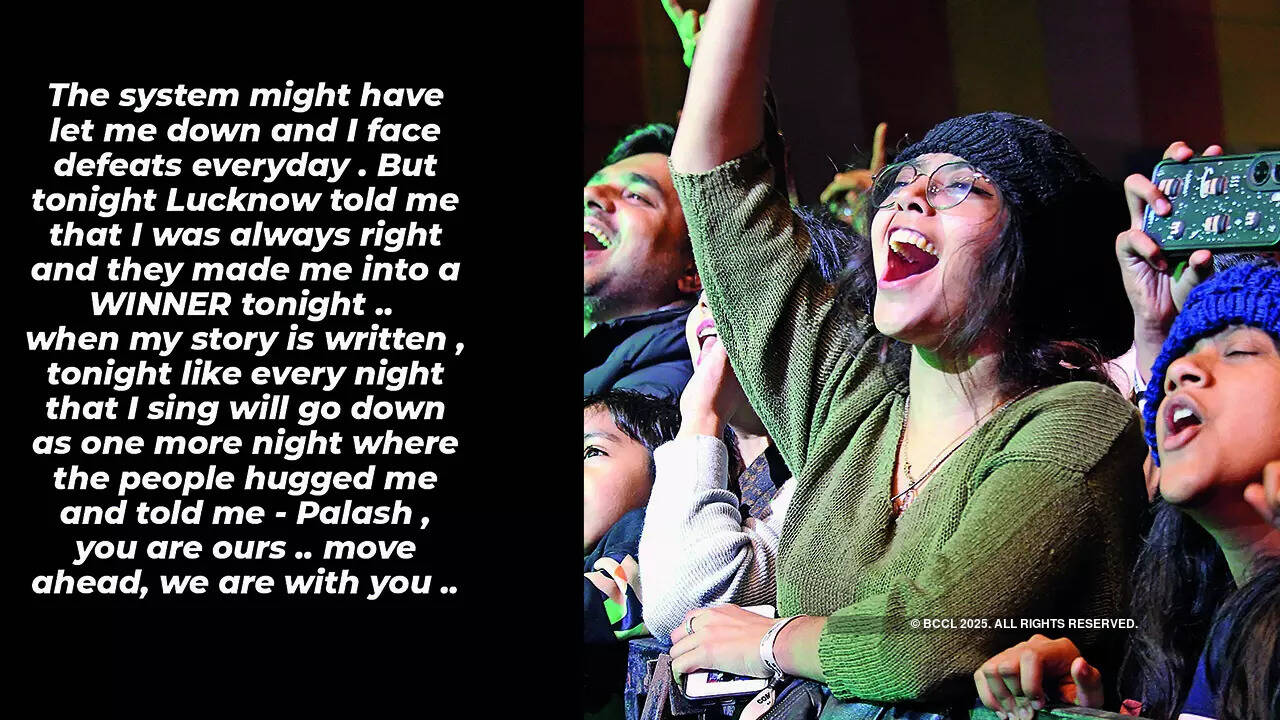
The crowd swayed and cried with him and (left) the post Sen put out on IG
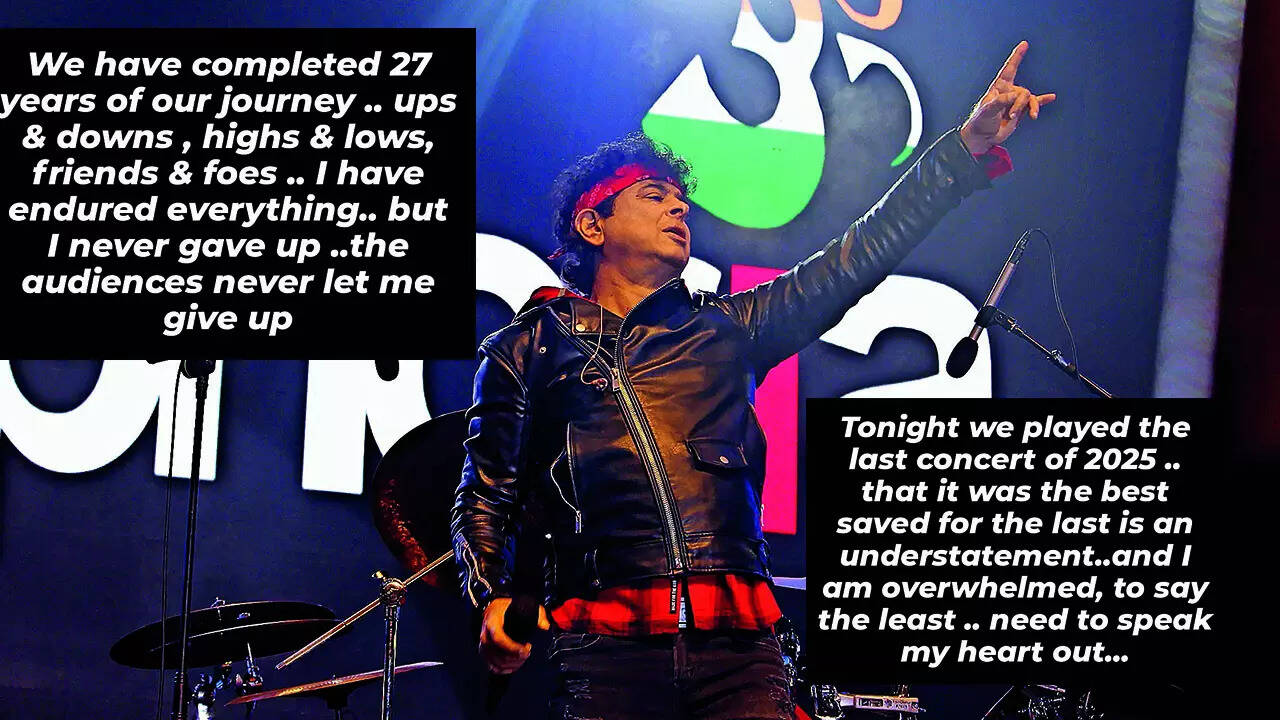
Palash Sen performing in Lucknow

About the AuthorIti Shree Misra
End of Article
Follow Us On Social Media
Tired of too many ads?go ad free now
entertainment videos
Featured In Movies
Tired of too many ads?go ad free now



Hot on the Web
Katrina KaifRanbir KapoorKing CobraRekhaEleanor RooseveltSunjay KapurBenjamin FranklinKarisma KapoorDementia RiskMahieka SharmaSuper MarioYami GautamHindi Spoken CountriesTu Meri Main Tera Main Tera Tu MeriBha. Bha. Ba. CollectionSleep MistakesAvatar Box Office CollectionKis Kisko Pyaar Karoon 2 CollectionBrian ZapsCharles DickensYoga AsanasToni MorrisonDhurandhar Movie CollectionAkhanda 2 Full Movie CollectionAkshaye KhannaGeorge WashingtonTere Ishk Mein CollectionDhurandhar Movie ReviewJ K RowlingAkhanda 2 Movie ReviewPulchritude WordAncient EgyptRice Bran Vs Sunflower OilWinter Solstice 2025Horn Ok PleaseElon Musk Net WorthMark Zuckerberg LessonsShimla TravelsMagnesium Deficiency SymptomsOptical illusionOzempic
Trending Topics
Latest MoviesBollywood MoviesHollywood MoviesTamil Movies 2025Telugu Movies 2025Malayalam Movies 2025Kannada Movies 2025Marathi Movies 2025Bengali Movies 2025Top Rated Movies 2025Best Hindi MoviesBest English MoviesBest Telugu MoviesBest Tamil MoviesBest Malayalam MoviesBest Kannada MoviesBest Bengali MoviesUpcoming Hindi MoviesBest Movies Of All TimeBest Hindi Movies of All TimeLatest English MoviesLatest Malayalam MoviesEnglish TV NewsTamil TV NewsTelugu TV NewsMalayalam TV NewsKannada TV NewsMovie ReviewsBhojpuri Cinema NewsGujarati Cinema News
Popular Categories
Viral NewsK Pop NewsWeb Series NewsAnime NewsUpcoming English MoviesUpcoming Tamil MoviesUpcoming Telugu MoviesUpcoming Malayalam MoviesUpcoming Kannada MoviesFashion TipsTravel NewsEntertainment NewsBollywood NewsTollywood NewsKollywood NewsMollywood NewsFood NewsLatest Hindi MoviesLatest Tamil MoviesParenting TipsHome RemediesWeight LossBeauty TipsParenting TipsHindi VideosHindi Video SongsBhojpuri Music VideosLatest Telugu MoviesBhojpuri Music VideoHindi TV News
Latest News
Rekha does Christmas the only way she knows - draped in luxe velvet tunic and red sareeKim Jong Kook on his married life: ‘We try to respect the different lives we’ve lived’NCERT non-academic recruitment 2026: Notification for 173 Group A, B, C posts released, apply before 16 January at ncert.nic.in‘Stranger Things 5’ X reviews: Fans rave about new episodes as the gang heads back into the Upside Down; ‘This is one the best scenes in the whole f****** show’Kiara Advani and Sidharth Malhotra celebrate daughter Saraayah's first Christmas; give fans a glimpse of 'little Miss Claus'CLAT 2025 counselling registration ends tomorrow: Here is how eligible candidates can apply onlineTHIS actress makes a comeback in Paul Rudd and Jack Black-led ‘Anaconda’‘Kaun Banega Crorepati’: When Amitabh Bachchan said, ‘I lie to Jaya every day,’ leaving Neena Gupta and Gajraj Rao in splitsKaley Cuoco wishes a ‘Merry Grinchmas’ as she hilariously admits that her daughter is afraid of Santa ClausSaudi Arabia: Man jumps off Grand Mosque in Makkah in apparent suicide attempt'Jana Nayagan' audio launch: Thalapathy Vijay flies to Malaysia, fans prepare for a star-studded eventMridula Oberoi: This year's birthday made me pause from work and be with my loved onesThree-day city festival honours doyens of Indian classical musicWatch: Hindu group protests in Dhaka; demand action over minority lynchings in BangladeshKidney health: 5 everyday habits that can damage kidneys in women after 40, according to a US-based physicianPrism: optics, physics and the strange habit of breaking light into meaningMicrosoft Teams to roll out security update in 2026: What is changing, default protections, and what organisations must doFrom leading defence importer to exporter: Make in India, for the world - how 2025 was the year of reforms